
How to Plan Your Budget for Long-Term Stability: A Step-by-Step Blueprint
Imagine finally feeling prepared for unexpected bills without panic. This article unpacks realistic steps for building long-term budgeting habits that bring genuine stability.
Real security means consistently meeting bills, reaching big goals, and riding out tough months. You’ll see exactly how to adjust your money routine for lasting peace of mind.
Get ready to discover practical tools and examples. Here’s how you can build a long-term budgeting system that smoothly supports your lifestyle, goals, and future plans.
Create a Clear Financial Roadmap to Stay on Track
Every stable budget starts with a plan. A roadmap shows where money enters, where it goes, and how to redirect it for long-term stability and control.
By mapping out income and expenses using a long-term budgeting mindset, you lay the foundation for confident choices and smart sacrifices that add up over time.
Map Current Cash Flow with a Real-World Example
Take Sarah, who works full-time and freelance gigs. She lists her paychecks, gig income, utility bills, groceries, transport, and fun money in columns. Suddenly, spending habits stand out.
Sarah’s monthly budget spreadsheet doesn’t just show where every penny goes. It helps her spot what she can trim, automate, or redirect for the next quarter’s goals.
If you track income sources and outflows weekly, long-term budgeting becomes much easier. With numbers in front of you, even small tweaks quickly build stability.
List Out All Recurring Commitments Using a Checklist
Write out each recurring payment. For example: rent, health insurance, streaming, and car loan. Don’t forget to include quarterly and annual subscriptions or memberships.
Then ask, “Do I really need this?” For instance, mark must-haves with a check. Circle wants. Highlight anything that no longer matches your goals or lifestyle.
This system helps you cut out waste and tighten your monthly plan. Over time, your long-term budgeting strategy becomes more focused and streamlined.
| Category | Monthly Average | Type (Fixed/Flexible) | Adjustment Example |
|---|---|---|---|
| Housing | $1,200 | Fixed | Negotiate rent at lease renewal or get a roommate |
| Utilities | $180 | Flexible | Switch providers for a better deal |
| Groceries | $400 | Flexible | Meal plan and shop with a list |
| Subscriptions | $55 | Fixed | Cancel unused streaming or gym memberships |
| Entertainment | $100 | Flexible | Set monthly fun-money caps |
| Transportation | $150 | Flexible | Carpool or bike when possible |
| Savings | $200 | Fixed | Automate transfers each payday |
| Insurance | $95 | Fixed | Shop rates yearly to avoid price creep |
| Debt Payments | $260 | Fixed | Round up payments to pay debt faster |
| Miscellaneous | $60 | Flexible | Cut impulse buys and track receipts weekly |
Automate and Prioritize to Reduce Stress and Save Time
When you use automation, your budget runs itself and avoids missed bills. Prioritizing long-term budgeting goals keeps your most important needs protected every single month.
Set up direct deposit, recurring transfers to savings, and autopay for regular bills. These actions ensure you never slip behind or accidentally overspend due to last-minute choices.
Direct Deposits and Autopay Streamline Monthly Routines
Signing up for paycheck direct deposit gets money into your account fast. Pair this with automatic bill payments for utilities, insurance, and subscriptions. You avoid late fees and hassle.
This process works like setting your coffee maker’s timer: once programmed, it delivers reliably. You never miss sleep worrying about whether you paid the phone bill last Wednesday.
- Automate regular payments for recurring bills. This reduces late penalties and means your mind stays clear for important tasks, not reminders about due dates.
- Schedule at least one monthly savings transfer. The earlier in the month, the better—it keeps long-term budgeting front-of-mind and helps savings grow automatically.
- Prioritize high-impact categories like rent, loans, and utilities. Mark these in your calendar and budget app so you never have to reshuffle funds at the last minute.
- Bundle small expenses and pay them together. For example, pay for all subscriptions on the first Friday. You gain a predictable rhythm that reinforces budgeting habits.
- Opt-in to text or email bill reminders from service providers. If something ever fails to automate, you’ll know quickly and can take immediate action to stay on track.
Over time, this setup frees your attention and supports reliable long-term budgeting progress month after month.
Reevaluate Priorities as Life Changes
Job shifts, moves, or new goals require a flexible budget structure. Adapt by reviewing your autopay list and savings allocations every quarter or after a major event.
If you land a raise, increase your monthly savings transfer by a fixed percent. Lost hours? Adjust entertainment spending and subscription tiers while covering essentials first.
- Update paycheck splits whenever your income changes. This ensures bills and goals stay aligned with what’s realistic, instead of lagging behind life’s transitions.
- Revisit which categories receive the biggest chunks of money. Priorities evolve, and shifting dollars on paper is easier than after they leave your wallet.
- Test run budget changes for one month. Use a notepad or budget app to compare the old and new setup. Keep whichever feels less stressful and more sustainable.
- Pause or reduce contributions to non-essential categories when necessary, never core bills. This creates financial breathing room without risking missed payments or stress.
- Review your calendar for annual subscription deadlines or insurance renewals. Setting a digital reminder means no price hikes or surprise charges derail your long-term budgeting goals.
When you treat your budget as a living document, you can adapt quickly and avoid unnecessary slip-ups as your life changes.
Uncover and Eliminate Sneaky “Budget Leaks” Fast
Identifying small, regular leaks in your spending stops them from stealing your progress. Each plug strengthens long-term budgeting and frees up funds for true priorities.
Scan recent statements for patterns. Pinpoint and tackle recurring little costs with specific actions, like changing routines or using cash envelopes for tricky categories.
Spot Expense Traps with Weekly Reviews
Schedule fifteen minutes every Sunday to update your spending log. Look for coffee runs, takeout splurges, or last-minute online shopping that repeat without noticing.
Say, “I’ll stop ordering lunch Mondays and prep easy meals instead.” Each tweak helps plug leaks, supporting your consistent long-term budgeting foundation.
The more familiar you are with your bank app and receipts, the quicker you’ll spot waste. Copy this habit to control your outflow week after week.
Switch Payment Methods for Certain Categories
Switch to cash-only for trouble spots, like dining out or treats. Pull your weekly limit on Sunday and use only what’s in your wallet for that category.
This hands-on approach works like meal prepping for nutrition goals—intentional, visible limits naturally curb excess without requiring constant willpower.
Soon, you’ll see real savings at month-end. Long-term budgeting stays on course once little leaks no longer drain your progress.
Lay the Foundation for Emergency Preparedness and Growth
Building a basic emergency fund means you won’t need a loan for car repairs, lost work, or surprise expenses. Setting aside even $20 per paycheck keeps long-term budgeting steady.
Consistent savings build comfort, not just cash. Watching your rainy-day fund rise on a spreadsheet builds real trust in your long-term budgeting routine, even before you hit your first goal.
Set Layered Savings Targets for Multiple Needs
Break goals into steps, such as $500 for emergencies, $1,500 for short trips, and $3,000 for new appliances. This builds momentum as each target is reached.
When hitting one milestone, celebrate with a small, budgeted treat. Then move on to the next savings bucket. Layered goals create a sense of constant progress and achievement.
After reaching $500, automatically bump up your monthly savings transfer. Continue this process until you meet your larger long-term budgeting objectives.
Create “Emergency-Only” Checking Accounts for True Needs
Set up a no-frills checking account earmarked only for emergencies. No debit card needed; access funds by transfer only. Keep the account out of daily view.
This barrier prevents emotional splurges and helps your long-term budgeting plan stay protected from impulse decisions. Set an alert when the balance dips below a set threshold.
With this system, emergencies are solved swiftly, and you avoid risky debt. Long-term budgeting goals remain on track for growth and stability.
Build In Flexibility Like a Pro for Real Life’s Surprises
Flexibility makes long-term budgeting workable. Unpredictable events—car repairs, medical bills, celebrations—don’t have to break your stride if you plan with “wiggle room.”
Set up a small “miscellaneous” category to manage life’s curveballs. Plan for the unexpected by allocating a set percentage or flat dollar amount each month.
Craft a Seasonal Calendar for Special Expenses
Every spring, budget for tax prep and subscription renewals. Each fall, include extra for back-to-school costs, holiday gifts, or home repairs.
This approach smooths out peaks and valleys in your yearly cash flow. It’s more reliable than scrambling when those annual expenses catch you by surprise.
Track which months are “high risk” for extras and start padding your budget for these sixty days ahead. This is a key to conscious long-term budgeting success.
Use the “One Change at a Time” Approach for Lasting Progress
Choose one category to tweak each cycle—groceries, utilities, or eating out. Adjust by just ten percent. Over months, the effect compounds into reliable savings.
If you try everything at once, motivation tanks and slip-ups rise. Targeted tweaks let new habits settle, making your long-term budgeting efforts easier to maintain.
Write down each change and review results after one month. Keep what feels effortless. This method prevents burnout and maximizes your financial wins.
Track Progress and Celebrate Each Win for Motivation
Tracking wins makes long-term budgeting feel worth it. Each milestone proves you’re moving forward, so you’re more likely to stick with your plan for the long haul.
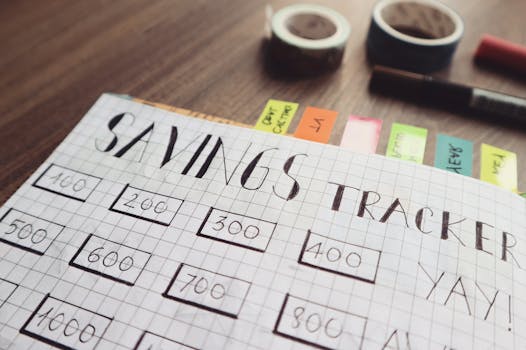
Visual cues—charts, graphs, or sticky notes on your mirror—spotlight achievements, whether that’s zero credit card debt or hitting your next savings target.
- Update your budget spreadsheet every Sunday night for a clear picture of weekly trends. Consistency makes slip-ups feel like blips, not failures, supporting steady progress.
- Check off paid bills or savings contributions with a brightly colored pen. Tangible markers feed a sense of accomplishment and make long-term budgeting an ingrained habit.
- Set quarterly check-ins on your calendar. Review big-picture shifts and note what worked best. Celebrate with a pre-planned treat from your entertainment category.
- Share your wins with a supportive friend or family member. A quick text—“Paid off another loan!”—provides extra encouragement and accountability on tough weeks.
- Create a visual tracker, like a thermometer graphic or pie chart, for each goal. Watch progress grow steadily. This boosts confidence and reminds you of future rewards.
Conclusion: Sustain a Lifetime of Financial Confidence
Thoughtful long-term budgeting lets you shape your daily routines, goals, and emergency responses without guesswork. Every action detailed above turns stress into achievable structure.
Your budget’s strength comes from repeated review, celebration, and clarity. Each section in this article adds a layer to long-term budgeting that works with your lifestyle—and adapts with you.
Every step you take today—no matter how small—is an investment in tomorrow’s security and opportunities. Consistency cements your plan, ensuring financial confidence for years to come.


