How Interest Rates Impact Your Total Debt Over Time
The momentum of your debt can change dramatically once you realize how debt interest rates influence every payment you make and the time it takes to be debt-free.
Interest rates never stand still; understanding their movement helps you gain more control over your money and protect yourself from excessive costs.
Stick with this breakdown for real-world scenarios, simple techniques, and expert-backed strategies to reduce what you owe over the years—without any confusion along the way.
Recognizing the True Cost of Borrowing on Debt Interest Rates
By pinpointing the exact amount debt interest rates add to your balance, you’ll see where your money really goes before your next payment cycle hits.
Getting clear about these costs lets you set better repayment goals and avoid costly surprises as you track your progress.
Monthly Statements Reveal Your Actual Expense
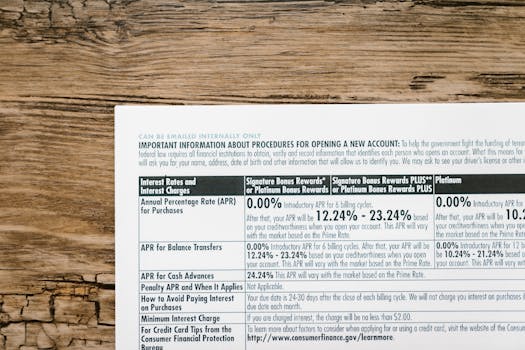
If you check your monthly loan or credit card statement, you’ll spot the interest charged as a line item—one you can reduce by changing your habits.
Every time you pay the minimum, the section labeled “interest charged” eats away at your ability to make real progress toward your principal.
Highlight that line on your statement so you always know how much debt interest rates are costing each month; then add this number up annually.
Example: Credit Card vs. Personal Loan Over One Year
Tara has $8,000 in debt on two accounts—a 16.99% credit card and a 7.5% personal loan—and pays only the minimum on both for one year straight.
By year’s end, her credit card costs over $1,300 in interest, while the personal loan charges just $600, demonstrating the dramatic impact of differing debt interest rates.
Comparing actual figures illustrates why shopping for lower rates immediately reduces your repayment timeline, even before you pay extra each month.
| Loan Type | Balance | Interest Rate | Yearly Interest Cost |
|---|---|---|---|
| Credit Card | $8,000 | 16.99% | $1,358 |
| Personal Loan | $8,000 | 7.5% | $600 |
| Auto Loan | $8,000 | 4.99% | $400 |
| Student Loan | $8,000 | 5.5% | $440 |
| Mortgage | $8,000 | 3.75% | $300 |
| Takeaway | Target high-interest debt first for the fastest long-term savings. | ||
Pinpointing What Drives Higher Interest Charges Long Term
Identifying the main drivers behind rising debt interest rates empowers you to make lasting adjustments and limit the total you repay.
Once you spot the triggers, you can work around them for smarter debt management and predictable costs.
Shifts in Credit Score Increase Costs
Changes in your credit score directly affect the debt interest rates you’re offered for new loans or during refinancing.
If your score drops, lenders respond by bumping up your rates—making your future payments heavier without any change to your balance.
- Monitor your credit report monthly, dispute errors right away, and automate your bill payments to keep your score in the best range for lower rates.
- Avoid opening unnecessary new lines of credit, since this can drop your average account age and increase your risk profile, triggering higher rates.
- Reduce your credit utilization ratio; pay down cards and keep balances under 30 percent for premium rate offers.
- Maintain a stable employment history. Frequent job changes can raise lender concerns and result in offers with higher interest rates attached.
- Apply for loans only when needed—each application means a hard inquiry that can cause small score dips affecting future rate offers.
Small adjustments to your credit habits stack up—resulting in tangible savings on debt interest rates and total payoff costs.
Lender Policy Shifts Affect Everyone
Banks and credit unions may change their lending standards, increasing average debt interest rates for many customers overnight.
Rising government rates, economic instability, or increased lender caution can all drive up your current and future borrowing costs quickly and with little warning.
- Stay informed with lender emails and policy updates to spot changes early then decide if refinancing elsewhere can lock you into a lower rate.
- Call and negotiate your rate or ask for better terms whenever your account is in good standing and rates elsewhere seem lower, using friendly but firm language.
- Choose fixed-rate loans instead of variable-rate debt to protect yourself from sudden interest jumps which could extend your repayment years.
- Increase your monthly payments when you receive policy change notifications; this helps keep your total debt interest rates from ballooning during transitions.
- Research independent lenders or local credit unions for alternative financing options in case your main lender tightens its rates excessively.
Refusing to passively accept new terms keeps your debt interest rates—and long-term costs—under your control.
Running the Numbers: Payment Timelines and Snowball Effects
When you crunch real numbers, you see how seemingly minor changes in debt interest rates add years and thousands of dollars to your repayment journey.
Adjusting your monthly payment—even slightly—breaks the snowball effect, shaving off interest with each decision.
Comparing Small Monthly Payment Increases
Maria decides to raise her credit card payment by $25 each month instead of just paying the minimum.
She knocks five years off her timeline and saves $2,000 in accumulated interest charges on a $6,000 balance with standard debt interest rates.
Every increase—no matter how modest—directly counters the compounding power of interest on your balance, accelerating your escape from debt.
Effect of Rate Changes on Repayment Schedules
Moving from a 17% interest rate to a 13% rate on a $10,000 loan cuts your lifetime cost by well over $1,200, assuming consistent minimum payments.
For variable-rate debts, rising interest means your minimum monthly payment grows and your repayment timeline stretches unless you pay extra each cycle.
If your lender announces a rate hike, use a free online calculator to see the new cost, then decide how much extra to pay to stay on track.
Developing a Mindset for Proactive Interest Rate Management
Embracing an active approach to monitoring and managing debt interest rates lets you respond to changes before they impact your wallet long term.
Your habits matter just as much as financial news headlines when it comes to staying ahead of rising debt interest rates.
Setting Reminders for Annual Rate Reviews
Create a recurring calendar alert to check all your loan and credit card statements for any shifts in debt interest rates every year or after major market news.
Gather your account summaries, jot down current rates, and compare to competitors. If your rates creep up, contact your lender for a rate review or negotiate new terms.
Direct action removes surprises from your financial life and keeps your debt interest rates firmly in your control, no matter what changes come your way.
Building Flexibility with Emergency Payments
Dedicating a small emergency fund lets you make an extra payment or pay in full on surprise rate hikes, reducing interest drains in crisis moments.
Skip the temptation to use your rainy day savings for wants; instead, reserve it for infrequent but inevitable spikes in debt interest rates.
This habit turns unexpected lender changes into manageable events, not emergencies, and gives you negotiating power if refinancing options appear.
Increasing Resilience With Smart Debt Reduction Strategies
Structuring your payment plan to target high debt interest rates first yields quantifiable progress and boosts your motivation each month.
Using logical strategies lets you chip away at interest and principal together, reducing your payment burden year after year.
Focusing on the Highest-Interest Debt
Write the words “Pay Off Me First” on your highest-rate account statements. Focus all extra payments here until the balance reaches zero, then proceed down the list.
This approach, known as the debt avalanche, maximizes your savings on debt interest rates over time—even if the balances are not the largest.
Confirm each extra payment goes directly toward the principal to cut future interest, rather than being applied as just another minimum payment.
Leveraging Balance Transfer and Refi Opportunities
Scout reputable new card offers or loan refinancing options that feature temporary 0% debt interest rates or substantially lower rates for new customers.
Read all fine print before transferring balances, including transfer fees and the effect on your credit utilization ratio; compare these costs to your current setup objectively.
When you get approved, set automated payments so you repay the transferred balance before the promo rate expires. Don’t charge new purchases to the same account.
Strengthening Your Long-Term Debt Plan Against Market Rate Swings
Prepping for future debt interest rates hikes builds your confidence and keeps your financial plan afloat even when rates rise abruptly or unpredictably.
This proactive method shifts your mindset from defense to offense, using intentional preparation.
Choosing Fixed-Rate Over Variable Loans Where Possible
When taking out a new loan, seek fixed-rate options that guarantee a steady rate for the full term, even if variable loans seem lower up front.
Ask your loan officer: “Will my payment ever jump, even by a little?”—their answer informs how protected your debt payoff plan is from rising rates.
If you’re already in a variable-rate loan, consider refinancing if rates start trending upward industry-wide, protecting you from payment shocks.
Aligning Big Purchases With Low-Interest Periods
Schedule major purchases—like new cars or home improvements—when debt interest rates are trending downward, not right after a rate spike announcement.
Use a calendar reminder to watch for bank rate updates before accepting any new loan offer; slow down and compare rates across lenders for at least a week.
This patience pays off as the difference in costs adds up to hundreds or thousands over the loan’s lifetime, all because you timed your decision well.
Bringing Everything Together for Better Debt Management
Tallying up the impact of small decisions makes it clear: each time you target debt interest rates, you put powerful savings and progress back in your hands.
Your ability to track, negotiate, pay off, and protect your finances from rate swings grows—alongside a balanced, confident debt plan for the future.
No matter your financial starting point, every smart adjustment to your approach helps you escape the drain of high debt interest rates and claim a more stable future.


